Can You Really Follow Animal Tracks to Find Wildlife?

What Will You Learn About Tracking Wildlife?
This guide teaches you to read animal signs like a seasoned observer—identifying tracks, scat, feeding remains, and travel corridors that reveal where animals live, feed, and move through the landscape. You'll understand why tracks look different in mud versus snow, how to distinguish between similar species, and what the spacing between prints tells you about an animal's behavior. Whether you're hoping to photograph wildlife, hunt ethically, or simply deepen your connection to the places you hike, these skills transform a casual walk into a detective story written in dirt and dust.
Why Do Animal Tracks Look Different in Various Terrain?
The same deer leaves dramatically different impressions depending on where it steps—and understanding these variations prevents misidentification.
In soft mud, tracks appear larger than life. The edges splay outward as the foot sinks, creating an exaggerated impression that can trick you into thinking a modest coyote was actually a wolf. Look for the actual toe placement and heel pad shape rather than the outer mud ring. Mud also preserves fine details—dewclaw marks on deer, the tiny webbing between duck toes, or the claw marks that distinguish dogs (visible) from cats (retracted and usually invisible).
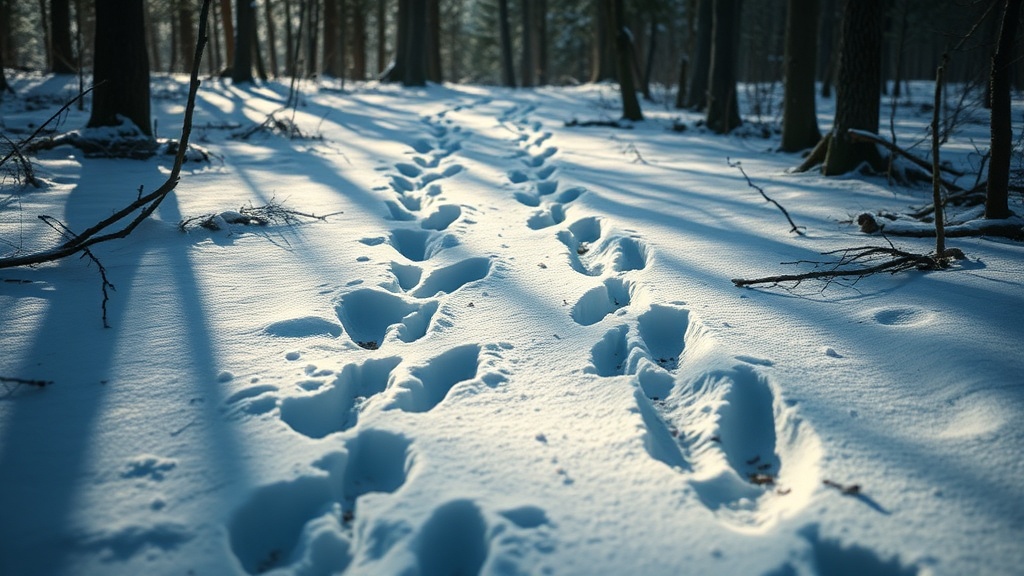
Snow tells a different story. Fresh powder captures perfect detail but melts quickly, distorting size. Packed snow shows cleaner outlines but may lack subtle features. The best tracking snow falls when temperatures hover near freezing—cold enough to preserve definition, warm enough to allow slight compression that records texture. Deep snow also reveals gait patterns more clearly. Animals struggle in drifts, leaving distinctive drag marks or altered stride lengths that indicate effort rather than casual movement.
Sand and dry dirt present their own challenges. Tracks in loose sand partially collapse as grains shift, creating incomplete impressions. Look for tracks early morning before wind erases them. In hard-packed desert terrain, you'll often find tracks only in patches of fine dust between rocks—or you'll need to search for other signs entirely since many animals avoid exposed ground during hot daylight hours.
How Can You Tell Similar Animal Tracks Apart?
Dog versus cat tracks confuse nearly every beginner. Both have four toes and a central pad, but the similarities end there. Dogs (including coyotes, foxes, and wolves) walk with claws extended for traction, leaving small puncture marks ahead of each toe. Cats keep claws sheathed unless climbing or fighting, so their tracks rarely show claw marks. The heel pad shape differs too—dog pads show a distinct triangular point at the front edge, while cat pads form a more rounded, three-lobed shape at the top.
Deer and sheep tracks look remarkably similar at first glance: both are cloven-hoofed with two pointed toes. But deer tracks typically measure 2-3 inches long with toes that spread wider in soft ground and often show dewclaw marks in the rear when the animal runs or walks through deep substrate. Sheep and goat tracks are more compact, with toes that sit closer together and rarely register dewclaws except in very deep mud or snow.
Rabbit and squirrel tracks both show four small front toes and five larger hind toes, but rabbits place their large hind feet ahead of their smaller front feet when moving—the classic "galloping" pattern that creates asymmetrical groupings. Squirrels bound too, but their tracks often show in straight lines along logs or near tree bases, and the hind feet spread wider relative to the body size.
What Other Signs Reveal Animal Presence Beyond Tracks?
Tracks tell only part of the story. Scat provides dietary information and timing clues. Fresh scat appears moist and dark; older samples dry, lighten in color, and may crumble when poked with a stick. Rabbit scat consists of small round pellets. Deer leave oval pellets clumped together. Coyote scat often contains hair and bone fragments and may be deposited conspicuously on trails as territorial markers.
Feeding signs offer behavioral insights. Squirrels leave pine cone cores stripped of scales. Beavers leave stumps with distinctive chisel-shaped gnaw marks. Deer browsing on woody plants creates ragged, torn edges where twigs broke; rabbits make cleaner cuts at 45-degree angles with their sharp incisors. Bark rubbing on trees—especially in late summer and fall—indicates deer or elk removing velvet from antlers.
Beds and lays reveal resting spots. Deer create oval depressions in tall grass or snow where they slept, often facing downhill for quick escape. Look for hair caught on surrounding vegetation—white-tailed deer leave coarse hollow hairs, while mule deer hair is more solid and darker. Bears create larger depressions, sometimes pushing aside significant vegetation or leaves, and may leave hair on tree trunks they rubbed against when standing.
Where Should You Look for Concentrated Animal Activity?
Animals, like humans, prefer efficiency. They follow terrain features that minimize energy expenditure and maximize safety. Ridge saddles—the low points between peaks—channel movement across mountainous terrain. Creek crossings, especially where banks slope gently or logs create natural bridges, concentrate traffic. Edge habitats where forest meets meadow, or where two vegetation types transition, attract feeding animals seeking varied food sources.
Water sources function as animal magnets, but not all shoreline shows equal activity. Look for trails leading to quieter backwaters rather than open beaches where animals feel exposed. Muddy banks preserve tracks beautifully. Salt licks, whether natural mineral deposits or artificial blocks placed by landowners, draw deer and elk from surprising distances—though these areas may be private property requiring permission to access.
Timing matters as much as location. Dawn and dusk bring the most movement for deer, elk, and many predators. Midday heat drives animals to shade and water. Overcast days may extend activity periods. Moon phase influences nocturnal movement—full moons see increased feeding activity after dark, which translates to tracks showing early morning before human hikers arrive.
How Do You Approach Wildlife Once You've Found Signs?
Finding tracks means animals were here. Finding fresh tracks means they might still be nearby. The transition from tracker to observer requires patience and discipline.
Move against the wind whenever possible. Most mammals trust their noses above sight or hearing. If you smell livestock or human habitation, animals downwind of those scents may be less alert—but you're also approaching from the direction they expect danger. In open terrain, use available cover: rocks, trees, terrain folds. Avoid skylining yourself on ridges. Wear muted colors that break up your silhouette rather than bright "hiking" colors visible from miles away.
When you spot the animal, freeze. Movement triggers the prey's flight response. Watch the animal's body language—ears rotating, head raising, tail flicking all indicate awareness increasing. If the animal returns to feeding or relaxed posture, you may have escaped detection. Use this time to observe rather than pursue closer approach. The best wildlife encounters happen when animals accept your presence as non-threatening, allowing natural behavior to continue.
Ethical tracking means knowing when to withdraw. Nesting birds, denning mammals, or animals stressed by weather conditions deserve space. Your observation shouldn't cost them energy or safety. Take photographs, notes, or simply the memory—then backtrack to avoid pushing them from prime habitat.
Tracking connects you to wildlife in ways that binoculars from a distance never quite match. You learn not just what lives in a place, but how it moves through space, what it eats, where it sleeps. Each track is a sentence in a story written continuously across the landscape. Learning to read that story takes practice—start with common species in familiar places, build your pattern recognition, and gradually expand your range. The forest becomes a library, and you'll never walk through it blindly again.
"Tracking is the original forensic science—reading the subtle evidence left behind to reconstruct events we never witnessed firsthand."
For authoritative identification resources, consult the National Park Service's animal tracking guide which provides detailed illustrations of North American species. The Fisher Scientific tracking database offers excellent photographic comparisons of tracks in various substrates. For regional species information, visit your state wildlife agency's website—most maintain detailed field guides specific to local fauna.