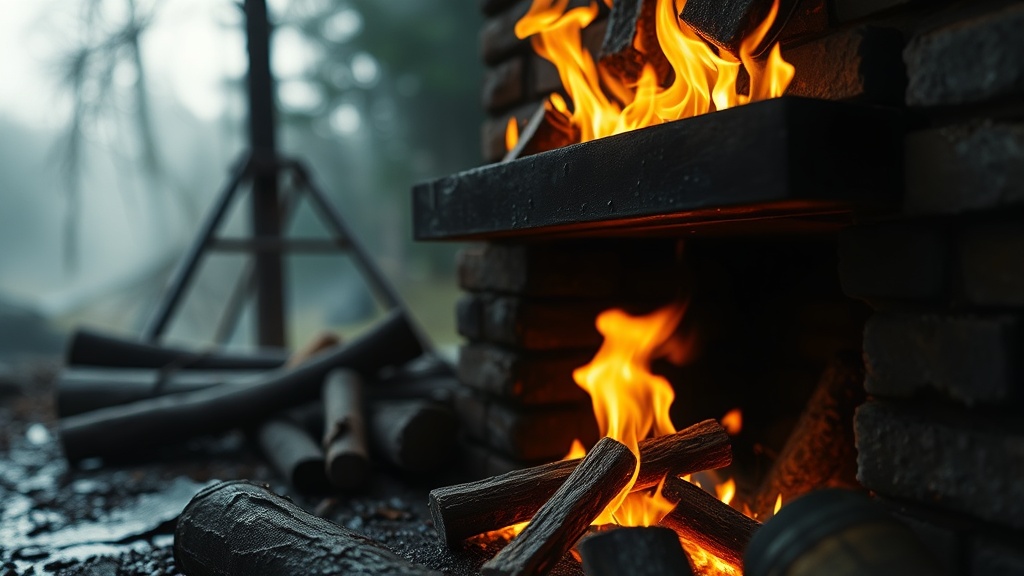
Keeping Your Fire Burning in Damp Conditions

Quick Tip
Always look for dry material under fallen logs or dead standing branches to ensure your fire starts successfully.
Most people think that if the wood is wet, a fire is impossible. That's a mistake. While dampness makes starting a fire significantly harder, it doesn't make it impossible if you understand how to manage heat and airflow. This post covers the specific techniques for getting a flame going when the environment is working against you.
How Do You Start a Fire with Wet Wood?
To start a fire with damp wood, you must focus on high-heat ignition sources and small, dry fuel increments. You can't just throw a thick, soaked branch onto a tiny flame and expect results. Instead, start by looking for the "heartwood"—the dry center of a branch—or use a specialized tool like a ferrocerium rod to create intense sparks.
The trick is to find anything that hasn't been soaked by the rain. Look under fallen logs or under the thick canopy of a hemlock tree. Even in a downpour, the underside of a dead stump is often bone-dry. (Trust me, it's a lifesaver when the temperature drops.)
Follow these steps for a better success rate:
- Prep your tinder: Use cotton balls soaked in petroleum jelly or shavings from a dry piece of cedar.
- Create "feather sticks": Shave thin curls off a piece of wood to increase surface area.
- Build a structure: Use a teepee or log cabin style to ensure air flows through the center.
- Feed it slowly: Don't overwhelm the tiny flame with large logs too early.
What Kind of Fuel Works Best in Rain?
Resinous woods like pine or cedar work best because their natural oils act as a built-in fuel. While these woods might be damp on the outside, the resin inside helps them burn even when the humidity is high. If you have access to birch bark, use it—it contains flammable oils that burn even when wet.
If you're out in the wild, you might need to rely on your ability to read the sky for weather changes to find shelter before the rain hits your woodpile. A little preparation goes a long way.
| Fuel Type | Best Use Case | Burn Intensity |
|---|---|---|
| Birch Bark | Initial ignition in rain | High/Fast |
| Resinous Pine | Maintaining heat | Medium/Steady |
| Dry Inner Bark | Emergency tinder | Low/Slow |
Can You Use a Fire Starter in Damp Weather?
Yes, commercial fire starters are highly effective in damp conditions because they provide a consistent, high-temperature flame that dries out nearby fuel. Products like the REI Co-op brand fire starters or even simple cotton balls can bridge the gap between a spark and a real fire. It's often faster to rely on a proven chemical or wax-based starter than to struggle with wet twigs for an hour.
Keep your starters in a waterproof container—a simple Ziploc bag works—to ensure they don't get ruined before you need them. If you're already struggling with moisture, the last thing you want is a soggy pile of useless fluff.